Dipl.-Ing. Dr. techn. Gilbert Fruhwirth, MRSC FHEA
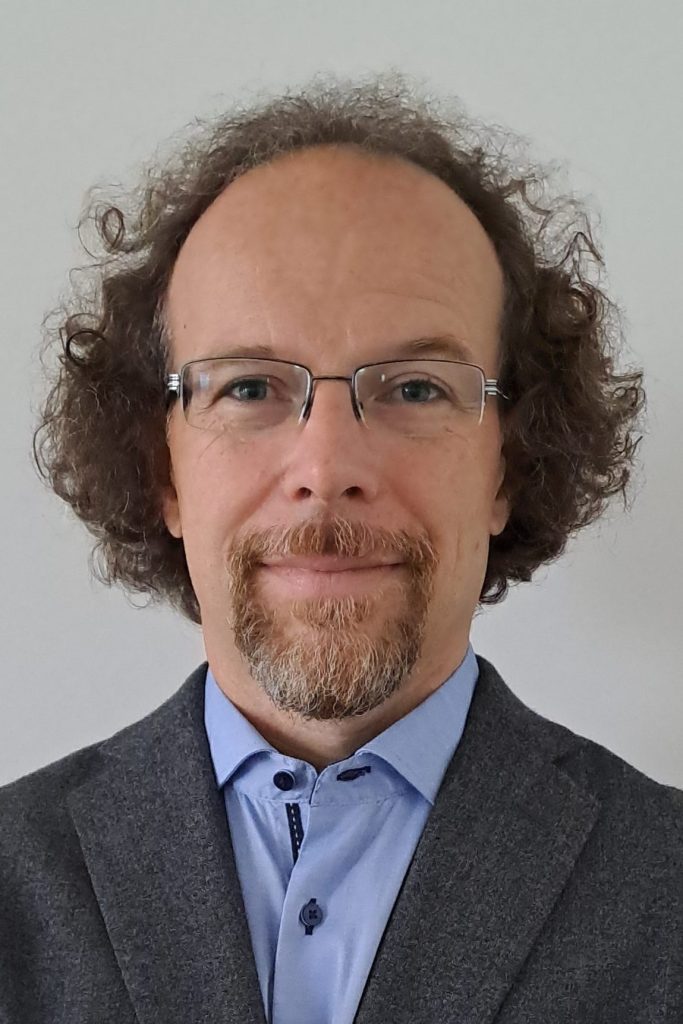
I am a Professor of Molecular Imaging at King’s College London’s School of Cancer and Pharmaceutical Sciences where I lead the ‘Imaging Therapies and Cancer’ group.
“My research vision is exploiting imaging to advance the understanding of human disease and to boost the development and clinical translation of advanced therapies in oncology and immune medicine with the goal to improve patients’ lives.“
Excited by the fundamental molecular processes governing physiology and pathophysiology, I studied Chemistry with a focus on Biochemistry and Biotechnology, and subsequently embarked on a PhD in Biochemistry and Cell Biology at Graz University of Technology (Austria) under the supervision of Professor Albin Hermetter. In 2006, keen to expand my research experience spanning biophysical chemistry, biochemistry and cell biology towards cancer metastasis research, I moved abroad and joined Professor Tony Ng’s laboratory at the Randall Centre for Cell and Molecular Biophysics at King’s College London, and later the Comprehensive Cancer Imaging Centre at King’s College London and UCL. There, I studied protein-protein interactions in metastatic cancer cells and the consequences of chemokine receptor mutations in cancer metastasis while, in parallel, I developed intravital FRET/FLIM imaging technologies and used multi-modal imaging to shed light on the same processes in living animals.
In 2013, I started my research group as a Lecturer in Imaging Biology at what is now the School of Biomedical Engineering and Imaging Sciences at King’s College London. This position enabled me to develop my own independent research programme (see fruhwirthlab.org) within an environment spanning basic and clinical science. In 2016, I obtained Tenure and in summer 2018, I was promoted to Senior Lecturer (Associate Professor) in Imaging Biology. At the beginning of 2021, my team and I joined the Comprehensive Cancer Centre at King’s College London’s School of Cancer and Pharmaceutical Sciences where we intensified our research programme in cancer biology and advanced therapies for oncology and immune medicine. In summer 2022, I was promoted to Reader in Imaging Biology, and in summer 2025, I was appointed as Professor of Molecular Imaging.
Outside of work, I am a passionate skier, love listening to music, and enjoy trying new cuisines with friends and family.
Dr Rico Chi H. Man (former PhD student and now Postdoc)

I joined King’s College London in 2019 after completing my MSc in Medical Sciences at University of Hong Kong. In 2023, I completed my PhD under the co-supervision of Dr Gilbert Fruhwirth at King’s College London and Dr Jenny Lam at University College London. My PhD focused on cancer cell tracking for evaluation of siRNA-mediated EGFR and PD-L1 inhibition in non-small cell lung cancer (NSCLC), wherein I established in vivo traceable orthotopic lung tumour models for use in future lung cancer therapeutics development. Thereafter, I stayed on as a postdoc fellow expanding my animal research expertise to work on a project exploring the role of Nrf2 in intratumoural Tregs in hepatocellular carcinoma. Currently, I am a postdoctoral research associate and work on a Cancer Research UK-funded Early Detection project in NSCLC.
I am an easy-going, passionate and well-organised person. As food is always my therapy, I love trying out good restaurant and café in my leisure time. Also, I like travelling around the world to explore more outside the laboratory!
Jade Bowden (PhD student)

I graduated from the University of Leeds in 2022 with a first-class biochemistry degree with industrial experience. For my third year, I completed a Year in Industry placement at BenevolentAI as part of the in vitro pharmacology team, where I worked on multiple target validation projects for glioblastoma. During my final year, I completed a laboratory-based dissertation investigating the interaction of VEGFR and MDM2 in colorectal cancer. In 2022, I joined King’s College London’s Schools of Biomedical Engineering and Imaging Sciences and Cancer & Pharmaceutical Sciences to start my EPSRC-funded PhD researching redox and hypoxia in metastatic cancer. My project focusses on combining a hypoxia-sensitive reporter system with [18F]FSPG PET imaging to further investigate links between hypoxia and upregulation of the antioxidant response in metastatic cancers.
Outside of work, I enjoy long-distance running, playing netball, and travelling.
Lily Meoli (PhD student)
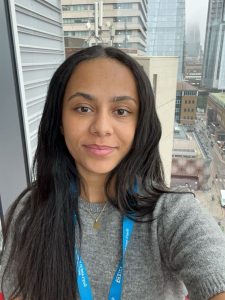
I am a PhD student on the Leverhulme Mechanics of Life DSP programme following my MSc in Microbiome in Health and Disease at KCL. My project aims to intefere with maladaptive mechanosignalling in cardiac fibrosis utilizing the cell-based immunotherapy. This entails the engineering of CAR-T regulatory cells targeting FAP-expressing myofibroblasts. I chose my project with Dr Gilbert Fruhwirth and Prof Elisabeth Ehler as a result of my interest in targeted therapies that could be explored in this multi-disciplinary opportunity. I discovered my interest for the mechanobiology aspect of the DSP program during my previous work as a research assistant at Prof Shawcross’ laboratory at King’s College London, where I used 3D in vitro Gut-on-Chip® technology to model the liver-gut axis.
In my free time I love to try new cuisines, attend concerts, swim or play some piano and guitar.
Sarah Harding (PhD student)

I started my PhD in 2021 after graduating from University of Bristol with a BSc in Cancer Biology & Immunology. During my time at Bristol I completed a placement year at PhoreMost within their drug discovery team, developing a reporter system to identify compounds capable of inducing frameshift mutations and consequently neoantigens that could be repurposed to improve the efficacy of immunotherapies in cold tumours. I then returned to Bristol for my final year during which I completed a research project supervised by Prof Anne Ridley, aiming to identify if Rho GTPases could be important prognostic biomarkers in breast and prostate cancer. After completing my degree I returned to PhoreMost as an Associate Scientist. This time I was primarily working to develop and test novel compounds, identified using PROTEINi® technology to target KRAS mutant tumours. I am now a CRUK City of London RadNet PhD student, and my work is focused on developing a fate-mapping hypoxia reporter to identify how persistent hypoxia-induced changes are in cancer cells and if we can exploit any of these changes to improve the efficacy of radiotherapy towards these harder to treat post-hypoxic cells.
Outside of the lab I enjoy travelling, eating good food and playing netball for the flying wombats.
James Wood (PhD student)
Dr Alessia Volpe (former PhD student and Postdoc)
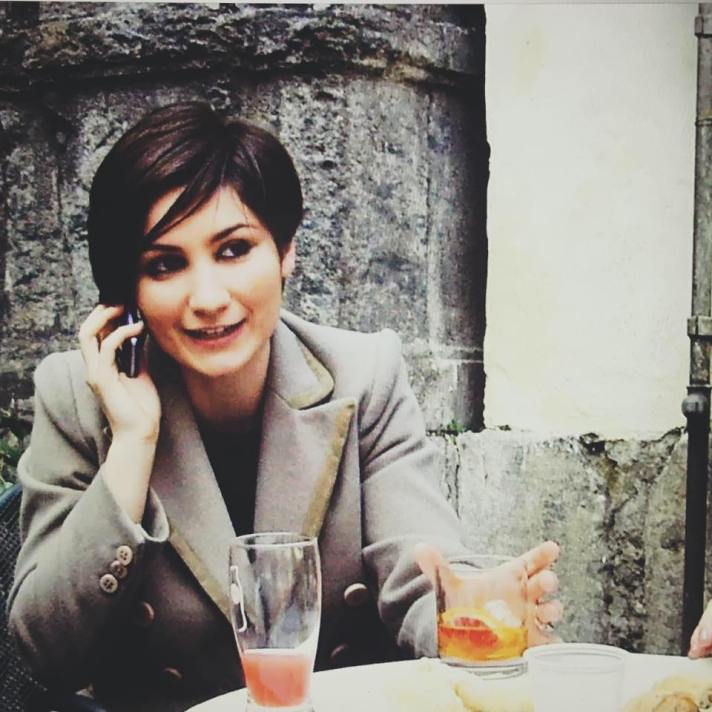
I am a trained cancer biologist and graduated in 2012 from the University of Naples “Federico II”. After two years of internship at the Institute of Endocrinology and Experimental Oncology of the Italian National Research Council (CNR-IEOS) with Professors Francesca Carlomagno and Rosa Marina Melillo working on the identification of new inhibitors of the tyrosine kinase RET involved in thyroid cancer, excited by cancer research, I went abroad to expand my scientific experience through undertaking a PhD at King’s College London in the lab of Dr Gilbert Fruhwirth, working at the interface between Cancer Imaging and Tumour Biology. During my PhD, which I completed in early 2018, I acquired extensive experience in molecular biology, in vivo cancer models and radionuclide-based reporter gene imaging. Subsequently, I started as a postdoc on a Cancer Research UK-funded project focussed on the integration of medical imaging into cell-based cancer immunotherapy. In 2016 I joined the Ambassador Programme of the European Association for Cancer Research as an Early Career Researcher and I am currently member of the Early Career Research Society Committee (ECRSC) at King’s College London.
Outside work, I am a professional journalist and enjoy quality food accompanied by a good glass of Chianti Classico.
Cameron Lang (former Research Assistant, then PhD student at University of Oxford)
I am a recent graduate from the University of Durham, where my interest in cancer research greatly developed during summer and undergraduate research projects in Dr Adam Benham’s proteomics laboratory. In September 2019, I completed an MRes in Translational Cancer Research at King’s College London, which has facilitated and greatly developed my research interests in the field of tumour immunology. This degree involved two 6-month research projects; one I completed in Prof Tony Ng’s lab, the other in the Fruhwirth lab, using multi-modality imaging techniques to monitor CAR-T cell cancer immunotherapy.
In my free time I enjoy being an active member of the LGBT+ community, helping organise LGBT+ student welfare events, in addition to running and reading whenever I can!
Dr Adeel Saleem (former PhD Student)
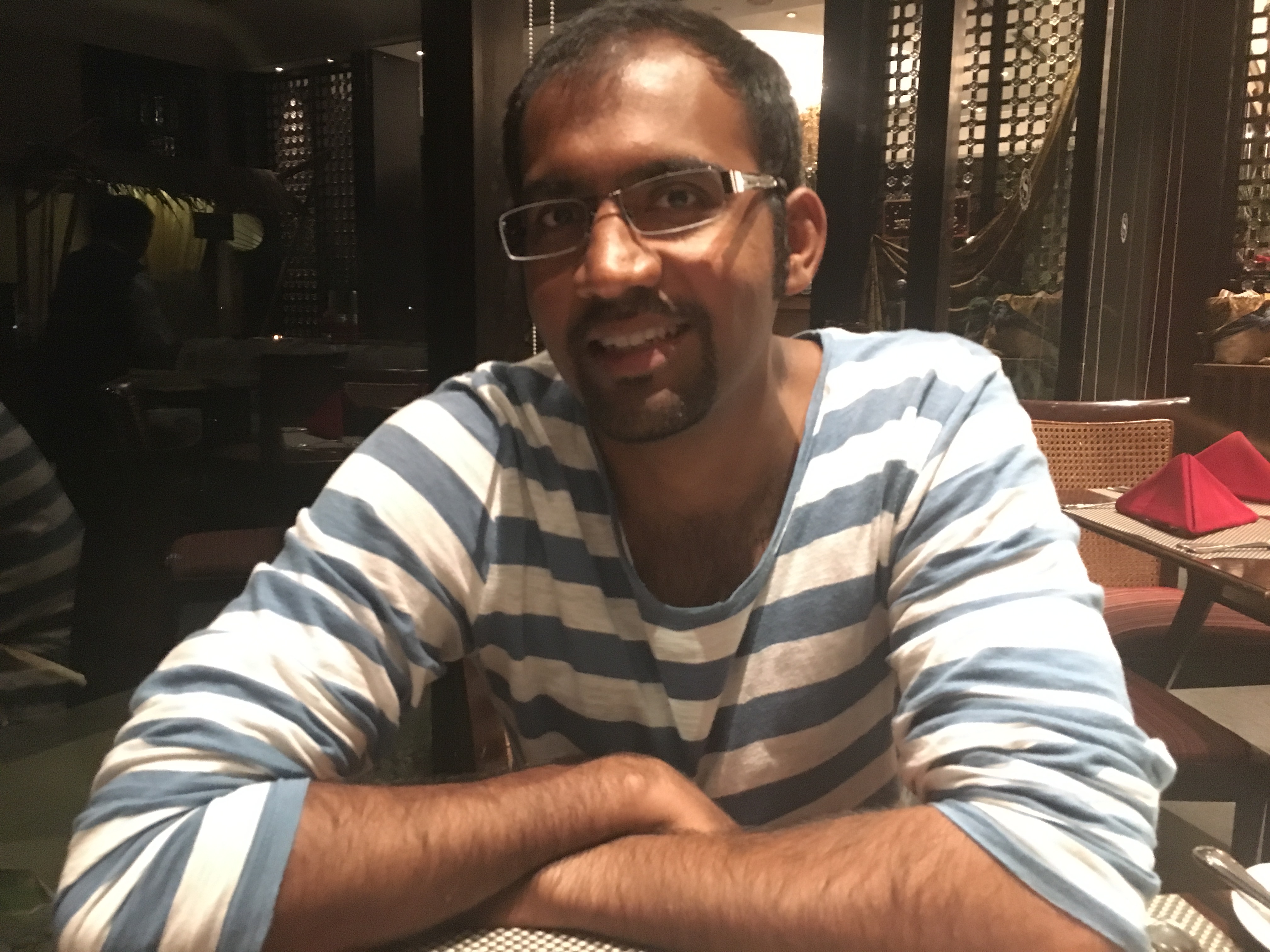
I am an advanced specialist Biomedical Scientist, with expertise in GMP cell processing in the field of Haematopoietic Stem Cell Transplantation. I completed post-graduate scientific training in a GMP Blood Transfusion laboratory (SNBTS) and then progressed to stem cell transplantation after undertaking an MSc focussed on with transplantation at the University of Edinburgh. Thereafter, I have built a career in this field working at three of the UK’s most prestigious NHS Stem Cell Transplantation laboratories, and eventually got the opportunity to lead my own Stem Cell Transplant laboratory at King’s Health Partners’ King’s College Hospital, London. In 2018, I decided to join Dr Gilbert Fruhwirth’s group to do a PhD, because of my strong interest in CAR-T therapy, in particular, to render CAR-T cells traceable in vivo and thereby contribute to a safer product for future patients.
Outside of work, I like to relax by going on walks with my wee boy, cooking Asian food for family and friends, following cricket and travelling to far flung places (not much of travelling though since PhD started 😊 )
Dr Ben Grimsdell (former PhD Student)

I am a PhD researcher in Human Physiological Sciences at King’s College London. My PhD focuses on the ‘in vivo tracking of Cardiac Progenitor Cell in the repair and regeneration of the damaged heart’ and, thus, bridges the vast worlds of whole body imaging and regenerative medicine. My scientific background has been very interdisciplinary, stemming from my undergraduate degree in Natural Sciences at the University of Exeter (graduating in 2016). During my time at Exeter, my research focused on the development of an electrochemical biosensor for invasive pulmonary aspergillosis (IPA), which inspired me to remain in medically related research and study for an MSc in Nanotechnology and Regenerative Medicine at University College London in 2016. As part of my MSc, I studied ‘the serum species effects on gold nanoparticle protein corona cellular response’ which reinforced my passion for medical research.
Dr Candice Ashmore-Harris (former PhD student)
I work at the interface of Imaging Sciences and Regenerative Medicine. My PhD focuses on the in vivo tracking of iPSC-derived liver cell populations using radionuclide imaging. Based both in the Fruhwirth lab and the Centre for Stem Cells & Regenerative Medicine, this is supported by funding from Guy’s & St Thomas’ Charity. In 2018 I undertook a summer fellowship funded by the Japan Society for the Promotion of Science (JSPS) in the laboratory of Takanori Takebe at Yokohama City University; combining the in vivo tracking technology developed at King’s with their liver bud organoid generation platform.
In 2015/16 I undertook MRes projects supervised by Sophia Karagiannis in St John’s Institute of Dermatology studying activation of human monocytes for cancer immunotherapy and by Victoria Sanz-Moreno in the Randall Division of Cell and Molecular Biophysics, studying the immune infiltrate in metastatic tumours. Before this I taught science at a school in Delhi as part of the British Council Generation UK-India Teaching Assistantship Programme and worked as a Technician in the Biochemistry Department of Oxford University. My initial training broadly covered Biology and Cancer, completing a Human Sciences BSc at University College London in 2012 and an MSc in Cancer Biology at the University of Kent in 2014.
Outside the lab I am a keen sabreur competing in fencing competitions across the UK and Europe, enjoy board games and have a passion for real ale.
Dr Ines M. Costa (former PhD Student)
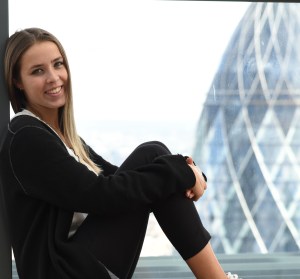
I joined the EPSRC Centre for Doctoral Training in Medical Imaging in 2017 after completing my MSc in Radiopharmaceuticals and PET radiochemistry at King’s College London from which I was award best student. Previous to my MSc I had the opportunity to work as a nuclear medicine technologist and gain experience in SPECT/CT, PET/CT and radiopharmacy. After this, I decided to bring my clinical expertise to research. My PhD focuses on using the reporter gene approach to determine the radiobiological effects of various imaging and therapy radioisotopes. This will help us understand the safety of imaging radiopharmaceuticals and allow us to design more effective therapies.
I am also part of a science podcast team (Postdocalypse), and I have organised the KCL Pint of Science activities in 2019. I like skiing, biking, and I treat the lab as my personal karaoke booth so come and join!
Dr Madeleine Luck nee Iafrate (former PhD Student, Winston Churchill Fellow)
I joined King’s College London in 2016 after completing my MSci in Chemistry with a Year Abroad (Canada) at the University of Bristol, where I received the Interdisciplinary Research Award from the Vice-Chancellor. My research experience has varied from sustainable polymer chemistry, to drug synthesis, and back to nanoscience. I am now part of the KCL-Imperial Medical Imaging Sciences Centre for Doctoral Training, which has inspired me to turn my efforts from the atomic level towards the molecular scale – which has been challenging but rewarding. My project is all about making cell transplants and therapies safer in the future, and we are developing technologies that will help to locate them in a non-invasive way inside patients’ bodies.
Dr Rainbow Lo (former PhD Student)
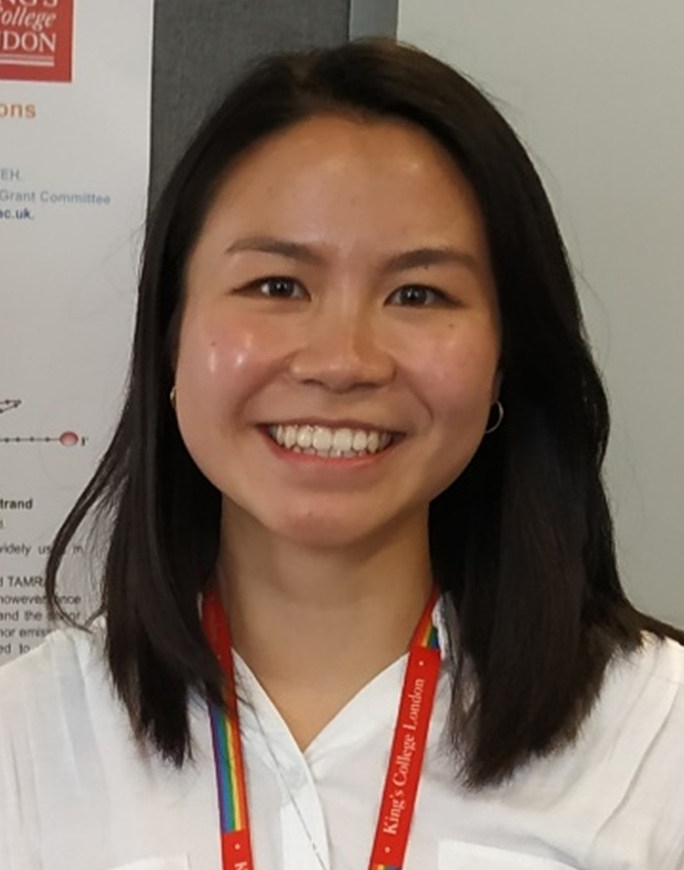
Rainbow graduated from University College London with an MSci in Natural Sciences majoring in Organic Chemistry and a minor in Biomedical Sciences. She is part of Cohort II of the EPSRC Centre for Doctoral Training in Medical Imaging. She now works between Imperial and King’s in London, and is targeting G-quadruplexes, which are thought to be prevalent in cancer cells, with novel metal complexes.
Dr Yasmin Mohseni (former PhD Student)
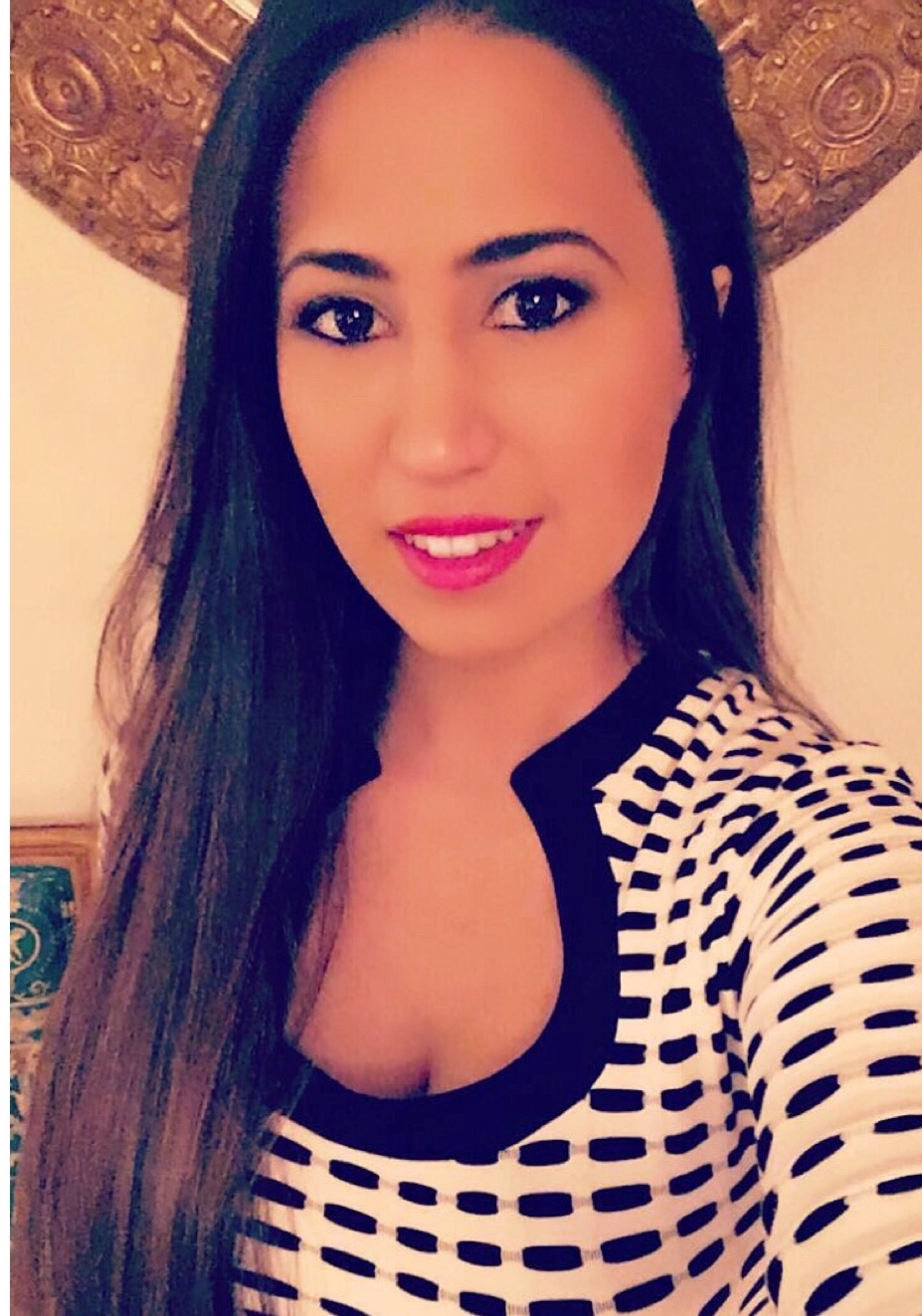
I graduated from the University of Warwick with a degree in Biochemistry in 2014. Although I enjoyed the chemistry aspect of my degree, immunology was my favourite subject area and hence I pursued an MSc degree in Immunology at Imperial College London and graduated in 2016. During my time at Imperial College London, I undertook a research project in Professor Stephen Durham, Dr Mohamed Shamji and Dr Paul Turner’s group investigating the role of basophils in fatal peanut-induced anaphylaxis. My research involved generating a novel diagnostic tool to diagnose peanut allergies, with the ability to assess level of sensitisation per patient. In 2016, I started my PhD King’s College London in the group of Professors Sir Robert Lechler and Giovanna Lombardi to focus on immunoregulation in organ transplantation. My PhD involves genetically-modifying regulatory T cells using chimeric antigen receptors to target the organ transplant directly and dampen the immune response to encourage tolerance. My PhD is split to allow me to implement in vivo tracking to monitor my CAR-Tregs, which is work I perform in the lab of Dr Gilbert Fruhwirth who is my second supervisor. For the latter I use radionuclide-based reporter gene imaging. I am a member of the British Society of Immunology and European Society of Molecular Imaging, and recently had the privilege to showcase my research at the Houses of Parliament to MPs.
Aside from the PhD, I am an avid gym junkie, competing in Powerlifting competitions and National fitness and CrossFit competitions to keep myself sane away from the lab.
 The Fruhwirth Lab